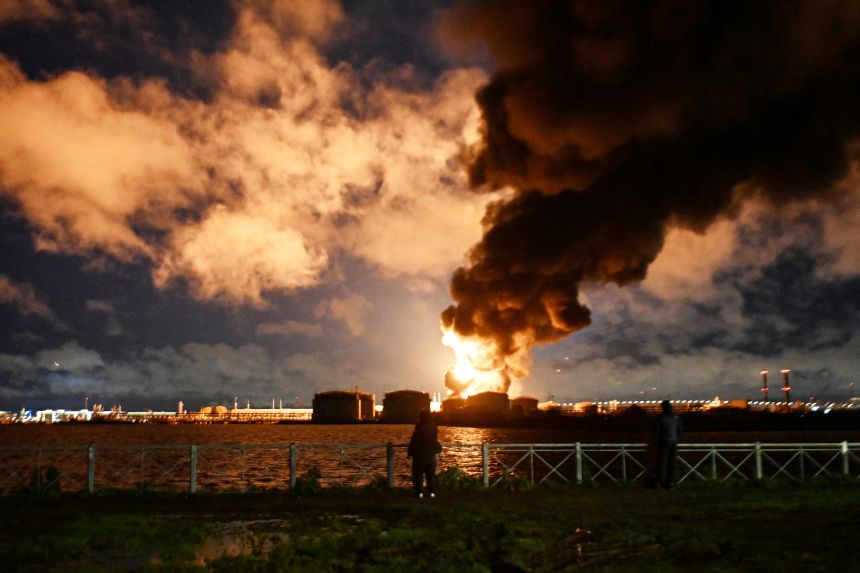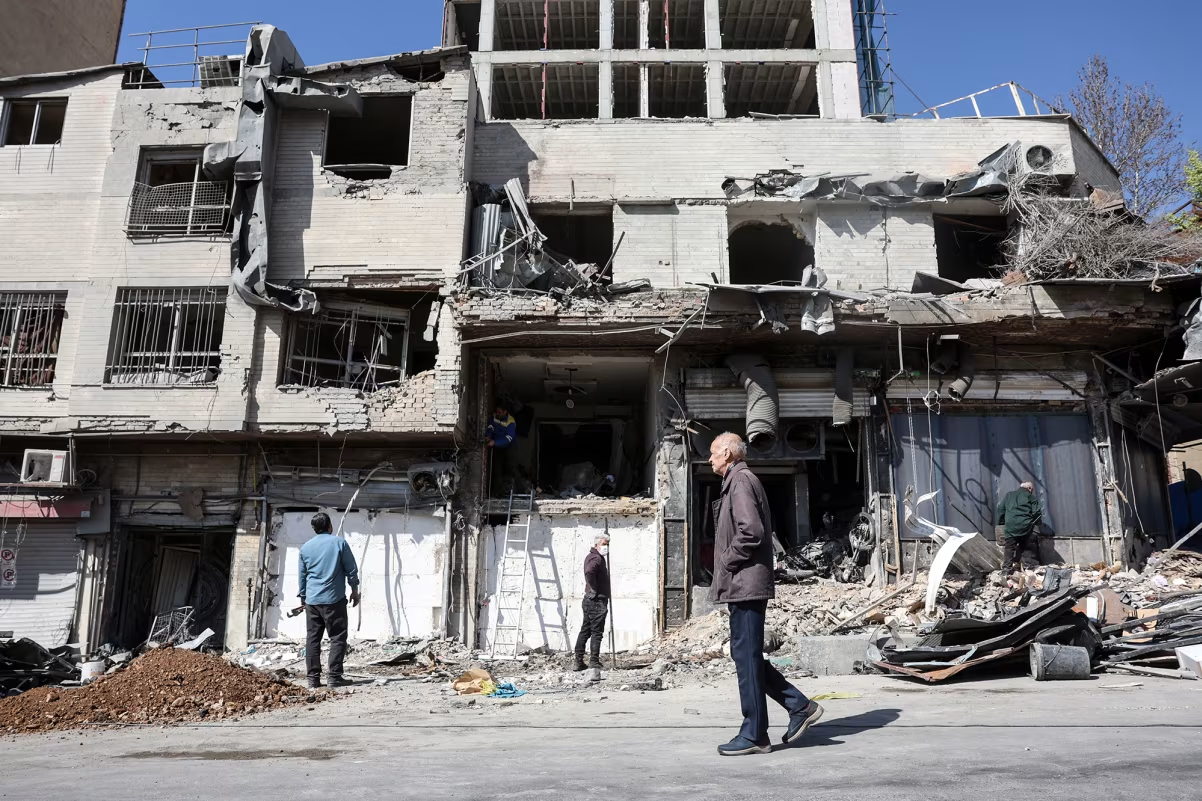
This article describes conditions in early March 2026, the first week after US and Israeli strikes on Iran began on February 28. Later developments aren’t covered.
The IMF, which had expected 3.3% global growth in 2026 before the strikes, said it was too early to assess the impact but was monitoring risks including energy price surges. Brent crude was at its highest in more than 18 months. The key risk was a prolonged closure of the Strait of Hormuz, which normally carries about a fifth of the world’s oil and liquefied natural gas, according to the US Energy Information Administration. Goldman Sachs said European gas prices could more than double if the strait stayed nearly impassable for over two months, and that US inflation could rise from 2.4% to 3% by year-end if oil stayed at those levels. Berenberg said EU inflation, 2% in January, could rise by more than a point if the conflict lasted months.
Asia is more exposed, since 80-90% of the crude and gas shipped through Hormuz goes there. More than 400,000 tonnes of Indian basmati rice were stuck at ports or in transit, according to the All India Rice Exporters’ Association, and about 75% of India’s basmati exports go to the Middle East. Yara’s chief executive said about a third of world urea exports pass through the strait, and Egyptian urea prices rose 35% that week, according to CRU Group. Middle Eastern airlines carry about 13% of global air cargo capacity, so airspace restrictions threatened air freight.
Sources: World Economic Forum, Hellenic Shipping News.