By Muhammad Abubakar
Saudi-led coalition forces are preparing a resolute military response after Iran-backed Houthi rebels launched a major drone and ballistic missile attack against oil facilities and civilian infrastructure across southwestern Saudi Arabia early Tuesday. The assault has severely escalated the regional conflict and sent global crude prices surging toward $99 a barrel.
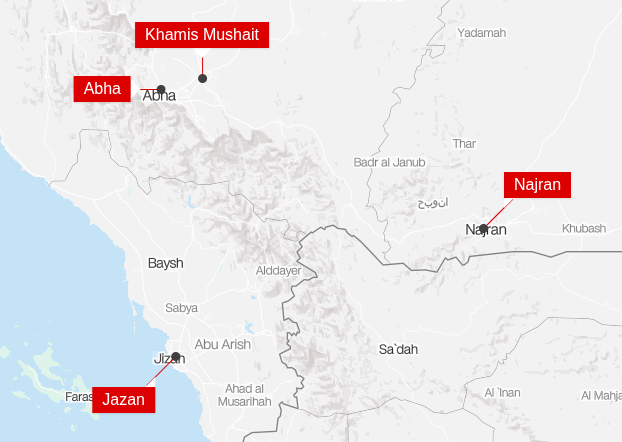
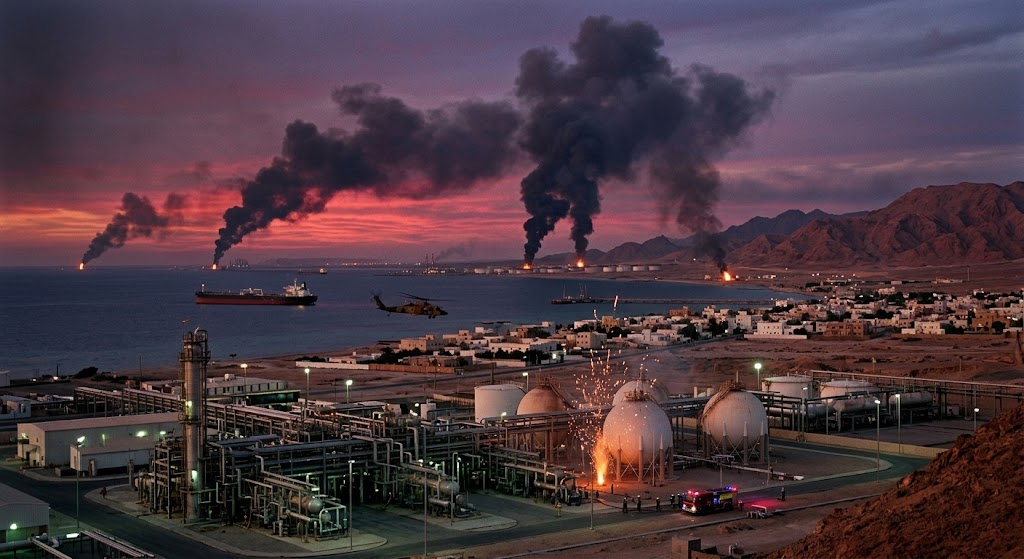
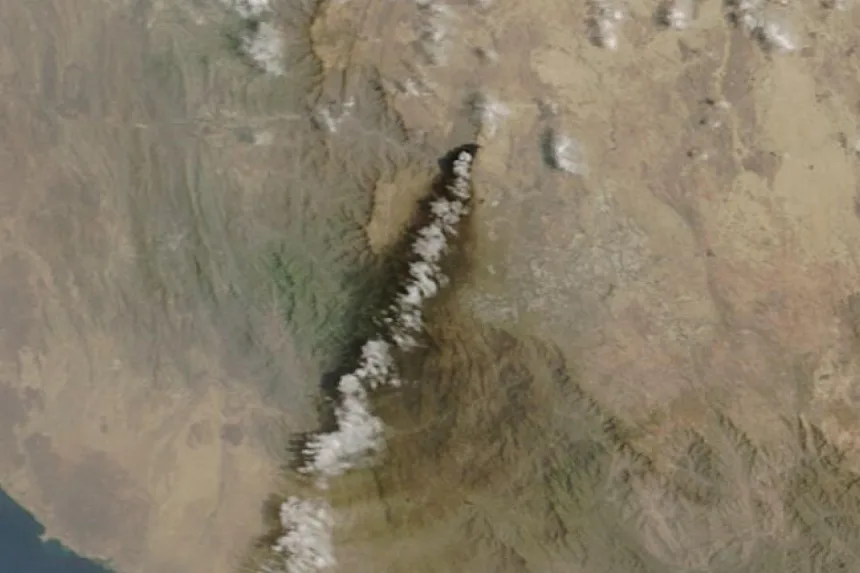
The joint attack targeted key sites in Abha, Khamis Mushait, Jazan, and Najran, injuring at least 73 civilians and sparking fires at several Saudi Aramco facilities. Riyadh reported that operations at some sites were temporarily suspended to contain the damage. Major General Turki Al-Maliki, spokesperson for the Saudi-led Coalition, described the assault as a “dangerous and senseless” escalation against economic and civilian assets.
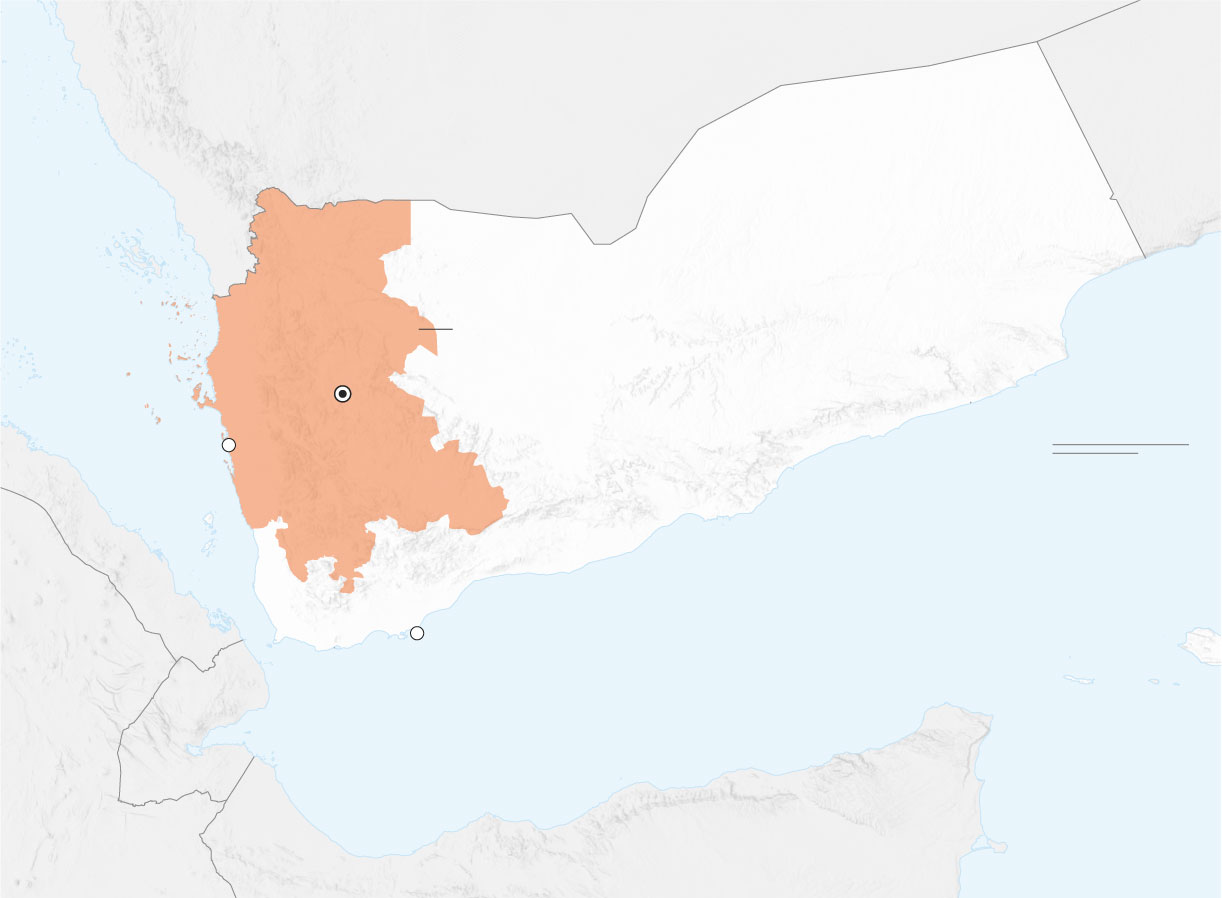
In a statement issued Tuesday, Houthi military officials claimed responsibility, asserting the strikes were a “siege-for-siege” retaliation against more than 100 Saudi airstrikes over the previous three days. The rebels signaled an intent to expand operations to force an end to Saudi Arabia’s economic and travel blockades over Houthi-controlled northern Yemen.
Escalation Risks and Market Pressure
The strikes mark a critical breakdown in regional stability following the collapse of a fragile truce originally struck in 2022. The renewal of direct hostilities between Riyadh and the Houthis follows the unraveling of the US-Iran ceasefire in July, pushing the conflict back into full scale.
Global markets reacted immediately to the threat against energy exports:
- Oil Prices: Brent crude rose over 1% toward $99 per barrel amid fears of sustained supply disruptions.
- Shipping Reroutes: Saudi Arabia has increasingly relied on the Red Sea port of Yanbu for crude exports, as the Strait of Hormuz remains effectively closed due to ongoing regional hostilities.
- Chokepoint Security: Analysts warn that Houthi attempts to secure ground near the Bab al-Mandab strait threaten to give Iran-aligned forces leverage over two of the world’s vital maritime trade corridors.
Riyadh Prepares Counter-Offensive
A source familiar with Saudi strategy confirmed that Riyadh plans to retaliate and is currently coordinating next steps with US Central Command (CENTCOM) and European allies. Saudi diplomats had previously briefed US lawmakers in August regarding the breakdown of political dialogue with the Houthis, establishing military pushback as the primary fallback plan.
The attacks drew swift condemnation from regional allies—including Egypt, Jordan, the UAE, Qatar, and Kuwait—who characterized the strikes as a direct violation of Saudi sovereignty. US Secretary of State Marco Rubio affirmed Washington’s defensive commitment to the kingdom, noting that coalition-backed Yemeni ground forces are simultaneously engaging Houthi troops to halt recent territorial advances.