
By M.ABubakar and Roohi Khan
In Rawalpindi-Islamabad
Where Quranic learning meets the Sunnah, sports, discipline and personality development — an emerging educational model led by Hafiz Sikandar Khan
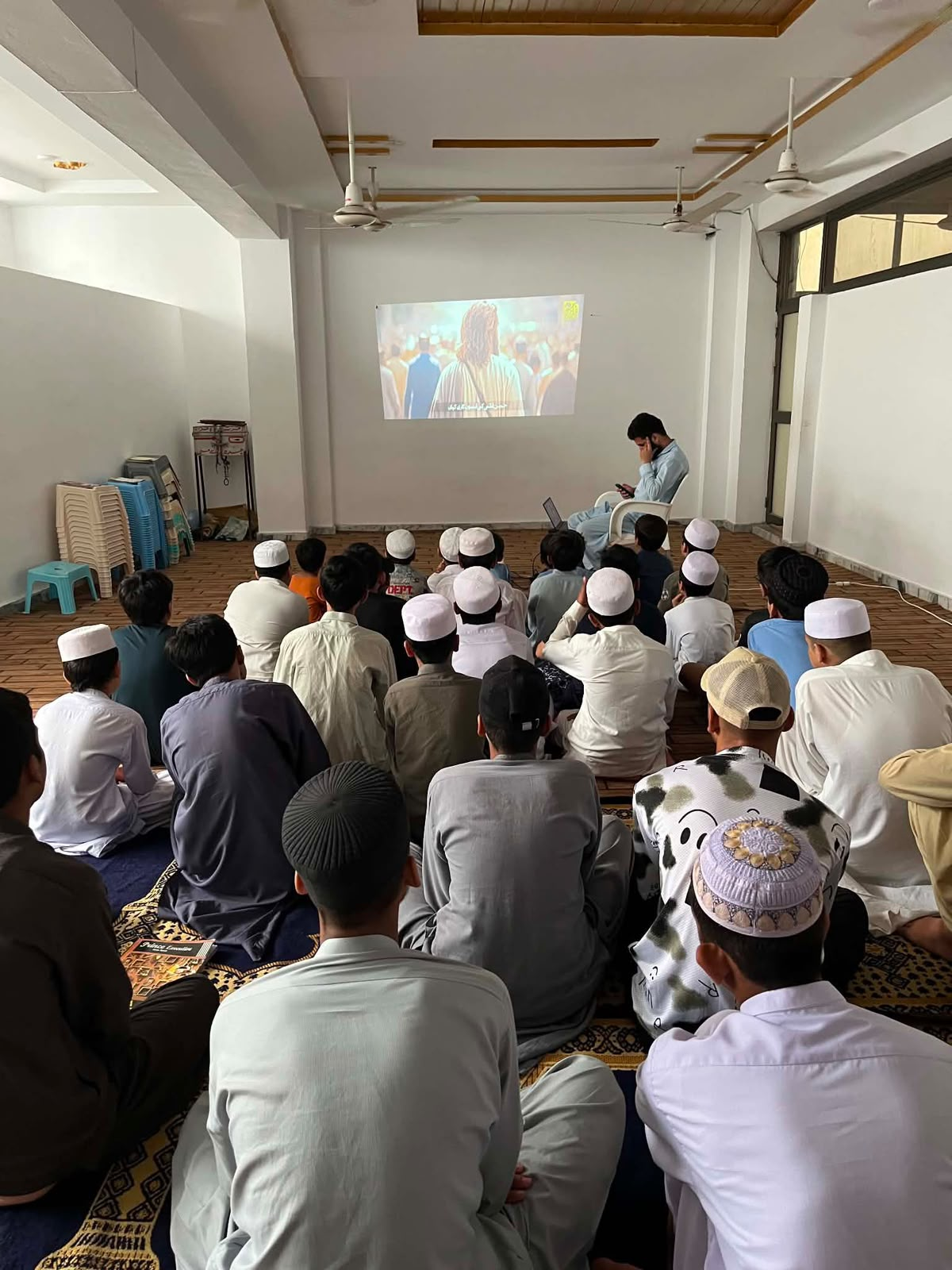
RAWALPINDI/ISLAMABAD: At a time when parents are increasingly looking for educational institutions that can provide children with both strong moral foundations and the confidence to navigate a rapidly changing society, a Quranic institute in the Rawalpindi-Islamabad region is putting forward a broader proposition: Islamic education should not end at the classroom door.
Al-Rehman Quran Institute, operated by Hafiz Sikandar Khan, is positioning itself around an approach that combines Quranic instruction and Islamic studies with character-building, sports, extracurricular activities, public speaking and educational guidance.
Its stated philosophy is straightforward but ambitious: teach the Quran, understand the Sunnah and translate Islamic principles into everyday conduct.
That approach places the institute within a wider debate in Pakistan over what Islamic education should achieve in the 21st century.
From memorisation to application
Traditional Quranic education has often placed considerable emphasis on recitation, memorisation and the acquisition of foundational religious knowledge.
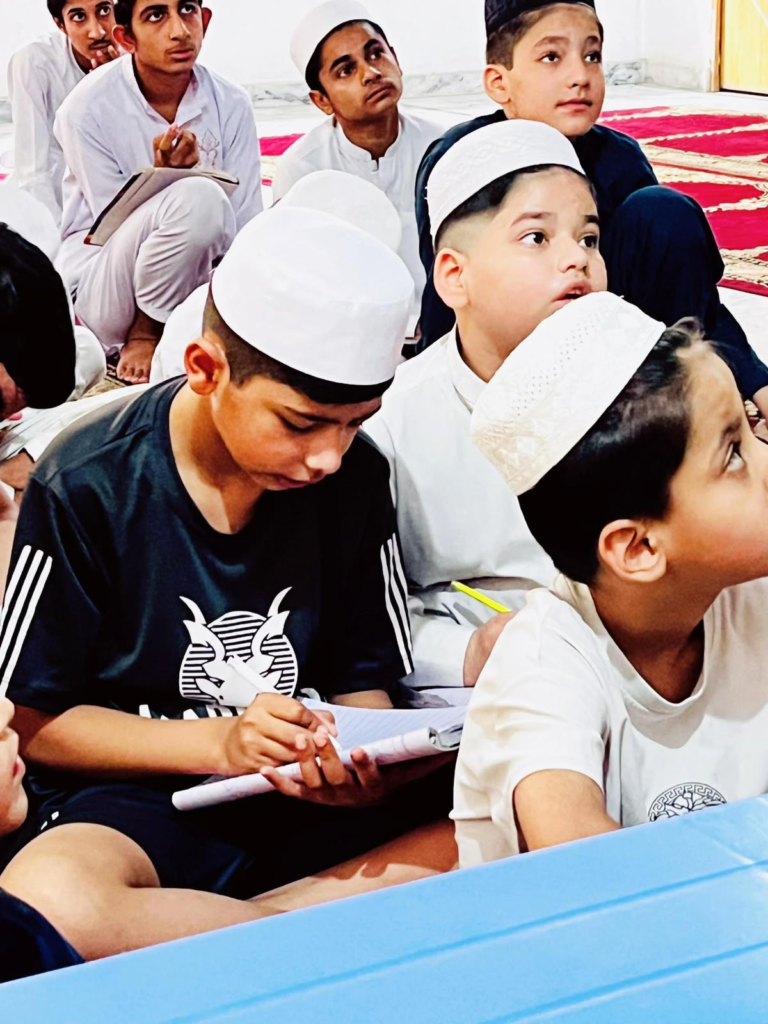
Al-Rehman Quran Institute says its objective is to go further.
Its programmes include Nazra Quran with Tajweed, Hifz-ul-Quran with Tajweed, Qira’at and Quran recitation, Basic Tajweed, Masnoon Duas and Basic Islamic Studies, including Seerah, Hadith, Sunnah and Islamic manners.
But the institute’s leadership argues that religious knowledge must ultimately manifest itself in a student’s character.
That means discipline. Respect. Responsibility. Confidence. Compassion.
And, significantly, physical and social development.
The Sunnah beyond the textbook
At the heart of Hafiz Sikandar Khan’s stated educational thinking is a practical understanding of the Sunnah of Prophet Muhammad ﷺ.
The institute seeks to present the Sunnah not simply as a body of historical knowledge, but as a model of conduct relevant to everyday life.
Its emphasis on sports and constructive activities is part of that philosophy.
The idea is that developing a young Muslim should involve more than producing someone capable of reciting religious texts. Students should also be encouraged to become physically active, disciplined, confident and capable of functioning responsibly within society.
This creates a model in which the Quran provides the foundation, the Sunnah provides practical guidance, and education and activity become tools for personal development.
A different kind of Islamic institution?
That is ultimately the question Al-Rehman Quran Institute is putting before parents.
Can Islamic education coexist with sports, communication skills, extracurricular activities and career guidance without compromising its religious foundation?
The institute’s answer is yes.
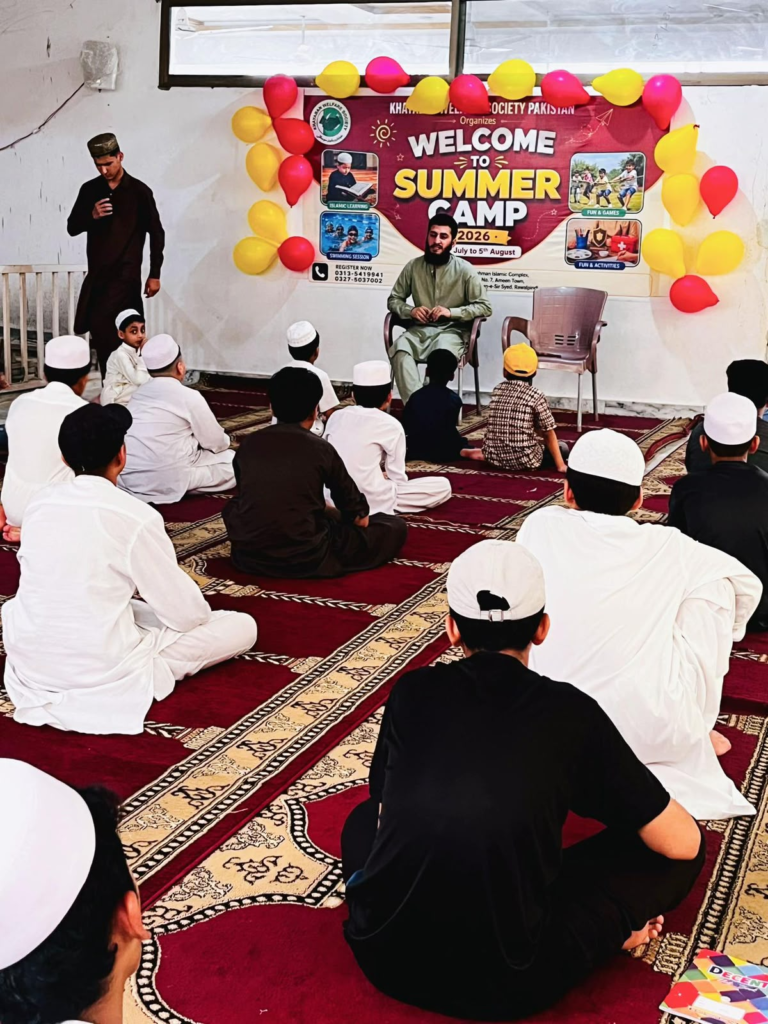
Its programme includes Quran recitation competitions, Islamic competitions, speeches, presentations and other educational activities designed to move students beyond passive learning.
The intention is to give students opportunities to speak, compete, participate and develop confidence.
For an institution whose primary identity is rooted in Quranic education, that represents a deliberate expansion of the traditional classroom model.
Character as an educational objective
The institute places considerable emphasis on character development.
Its stated objectives include cultivating honesty, respect, discipline, responsibility, confidence and compassion.
That emphasis reflects a broader understanding of education: academic or religious knowledge, by itself, does not necessarily determine how a young person behaves.
The institute therefore seeks to make akhlaq — personal character and conduct — an integral part of Islamic learning.
The message to students is intended to be simple: knowledge carries responsibility.
Faith and future careers
Perhaps equally significant is the institute’s inclusion of educational and career guidance.
Rather than presenting religious education and professional ambitions as separate worlds, Al-Rehman Quran Institute says it wants students to pursue their wider educational goals while maintaining their Islamic identity.
That could mean encouraging a student to become a doctor, engineer, entrepreneur, teacher, civil servant, academic or professional while remaining firmly connected to the Quran and Sunnah.
In this model, religious education is not presented as an alternative to modern education. It is intended to become a moral and ethical foundation for it.
The challenge facing Islamic education
The broader challenge is considerable.
Pakistan’s young population is growing up in an environment shaped by smartphones, social media, global entertainment, rapidly changing career markets and competing ideological influences.
Parents consequently face a difficult question: how can children receive meaningful religious education without being disconnected from the skills and realities of contemporary life?
Al-Rehman Quran Institute is attempting to address that question through a hybrid approach.
Its stated teaching philosophy combines traditional Islamic values with modern educational techniques, while activities outside the conventional Quran lesson are intended to strengthen communication, confidence and social development.
The Sikandar Khan approach
For Hafiz Sikandar Khan, the central proposition appears to be that Islamic education should produce not merely knowledgeable students, but formed personalities.
The distinction is important.
A student may memorise verses, learn Tajweed and study Islamic teachings. But the institute’s stated philosophy asks what happens next.
Does that knowledge produce discipline?
Does it influence conduct?
Does it strengthen responsibility towards parents and society?
Does it encourage confidence without arrogance, physical strength alongside spiritual development, and ambition without abandoning values?
These are the questions around which the institute is building its educational identity.
A model still to be judged by its results
The institute’s vision is ambitious, but ultimately any educational model must be assessed not only by its stated philosophy but by its implementation and outcomes.
For Al-Rehman Quran Institute, that means the quality of Quranic instruction, the standards of its teaching staff, the experience of students and parents, the effectiveness of its extracurricular programmes and the long-term development of its students will determine how far its model can go.
For now, however, its stated philosophy represents an attempt to broaden the conversation about Islamic education.
Not simply learning the Quran — living its values
Al-Rehman Quran Institute’s central proposition can be reduced to one idea: Quranic education should shape a person’s life, not merely fill a student’s memory.
By combining Quranic studies with the Sunnah, character development, sports, activities, communication and educational guidance, the Rawalpindi-Islamabad institute is seeking to build an educational environment where religious learning and practical life are not treated as separate spheres.
Whether that model develops into a distinctive educational movement will depend on its execution and the generation of students it produces.
But its message is already clear:
Islamic education, in its vision, is not only about knowing the Quran. It is about allowing Quranic values and the Prophetic example to influence how a person learns, behaves, competes, leads and contributes to society.
Al-Rehman Quran Institute
Rawalpindi–Islamabad
Administration: Hafiz Sikandar Khan
Patronage: Haji Ali Rehman
Supervision: Hafiz Sanaullah Khan, PhD (Islamic Scholar)


Yes. I have also visited this Institute.Hafiz Sikandar has very good teaching skills.
May Allah SWT make his way bright and help him to avail his dreams in this path. Ameen.